Practice Alone, Grow Together: Beating the Isolation Trap That Drains Musician Motivation
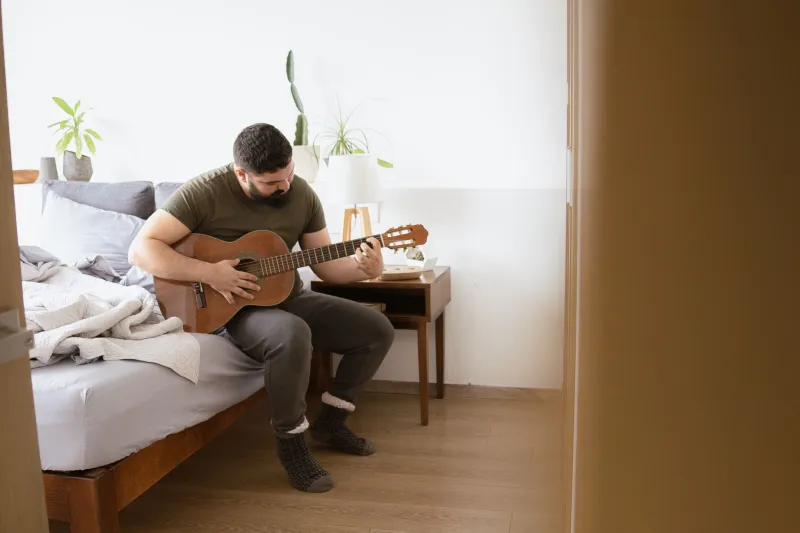
There's a version of the musician's journey that sounds almost romantic: you, your instrument, a small room, and hours of focused work. No distractions, no compromises, just pure dedication to the craft. And honestly? That picture isn't entirely wrong. Solo practice is where real growth happens.
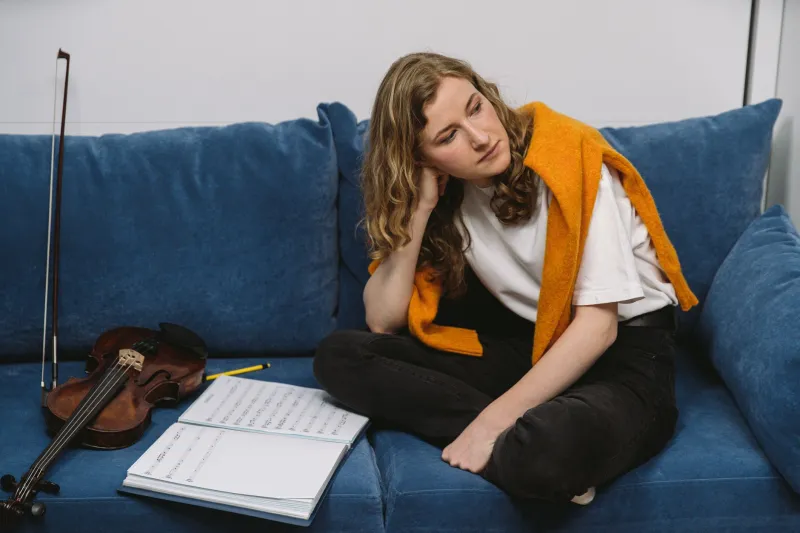
But here's the thing nobody puts on the poster: practicing alone, day after day, with no external feedback and no shared purpose, can slowly drain the very motivation that started you playing in the first place. It's not a character flaw. It's psychology. And it's way more common than most musicians want to admit.
Why the Isolation Problem Is Real
Humans are wired for social feedback loops. When you're learning something difficult — and music is genuinely difficult — your brain needs signals that the effort is worth it. In a classroom, a band rehearsal, or even a casual jam, those signals come naturally. Someone nods at a lick you nailed. A bandmate builds on your idea. A teacher marks your progress.
In a solo practice room, none of that happens. You're generating your own motivation, your own benchmarks, your own sense of whether you're improving. For a while, that works fine. But over weeks and months, the feedback loop gets quieter and quieter until one day you realize you haven't picked up your guitar — or your trumpet, or your keyboard — in two weeks and you're not entirely sure why.
This isn't burnout in the dramatic, crash-and-collapse sense. It's more like a slow leak. Motivation fatigue. And it hits intermediate players especially hard, because beginners still have the novelty rush, and advanced players usually have built-in performance structures that keep them accountable. The middle stretch? That's the danger zone.
The Accountability Gap
One of the most underrated tools in any musician's practice toolkit is external accountability — and it doesn't have to be complicated. The simple act of telling another person what you're working on and when you plan to have it done changes your relationship to that goal. Suddenly it exists outside your own head. It has weight.
This can look like a lot of different things. A weekly check-in text with another musician you know. A shared practice log with a friend who's also trying to stay consistent. A lesson with a teacher — not just for instruction, but for the structure of having to show up prepared. Even posting a short clip of your practice to a private group creates a low-stakes form of accountability that most people find surprisingly motivating.
If you're shopping for lessons or looking to connect with other players, your local music shop — like us here at Shabach — is often a genuinely good place to start. Teachers who work out of a store tend to know other students at similar levels, and sometimes just knowing that community exists nearby is enough to shift your mindset.
Virtual Communities Aren't a Compromise
For a long time, online music communities had a reputation for being either toxic or superficial. That reputation isn't entirely unearned, but it's also pretty outdated. There are now solid, focused spaces online where musicians share practice logs, post progress videos, ask real questions, and cheer each other on without it turning into a gear-flexing contest.
Subreddits dedicated to specific instruments, Discord servers organized around genres, and even structured programs like online music schools with cohort-based learning have all matured into legitimate community options. The key is finding a space where the culture rewards effort and process, not just polished performance. If the first community you try feels like it's only interested in virtuosos, keep looking. The right one is out there.
Virtual practice sessions — where two or more musicians video call and practice simultaneously, not necessarily together — have also caught on in a big way since 2020. It sounds weird until you try it. Just having another person visibly working at their instrument in the same digital space creates a kind of ambient accountability that's hard to replicate any other way. Think of it like a study hall for musicians.
Building a Hybrid Practice Life
The goal isn't to replace solo practice — it's to build a life around it that keeps it sustainable. Think of your musical week in layers.
The foundation is still your individual work: scales, technique, learning new material, working through difficult passages. That has to happen alone, and it has to happen regularly. But layered on top of that, you want at least one touchpoint per week that connects your solo work to something larger.
That might be a lesson. It might be a jam session, even an informal one in someone's garage. It might be a virtual practice call or a commitment to post one short clip per week to a group you trust. The specific format matters less than the consistency.
It also helps to reframe what "progress" looks like. Motivation drops when you feel like you're working hard but going nowhere. Setting specific, short-term targets — learn this one chord progression cleanly by Friday, nail the tempo on this passage by the end of the month — gives your solo practice a shape that the brain can actually track and reward.
When the Room Feels Too Quiet
If you've been grinding alone for a while and the passion is starting to feel more like obligation, that's not a sign that music isn't for you. It's a sign that your practice structure needs some company.
Start small. Reach out to one other musician this week. Tell them what you're working on. Ask what they're working on. That's it. The conversation alone can remind you that music is ultimately about connection — even when the actual work of learning it is solitary.
Your sound starts here, in the practice room. But it grows best when it has somewhere to go.