Fly Solo First: Why Individual Mastery Is the Real Foundation of Great Ensemble Playing
Ask most music teachers, YouTube channels, or well-meaning band veterans what a new musician should do, and you'll get some version of the same answer: get in a band as soon as possible. Play with other people. Collaboration is where the real learning happens.
And look, there's truth in that. Playing with others does things that solo practice simply can't. But there's a side of this conversation that rarely gets said out loud — the part where jumping into group situations before you've developed a real individual voice can actually slow you down, create bad habits, and leave you permanently dependent on the energy of other people to feel musically confident.
This isn't about being antisocial. It's about sequencing. And getting the sequence right can make a profound difference in the kind of musician you eventually become.
What Happens When You Skip the Solo Work
Here's a pattern that shows up constantly in band situations: one player who's technically capable but has no real musical identity. They can follow along, they know their instrument reasonably well, but when asked to contribute something original — a part, an arrangement idea, a creative direction — they freeze or default to copying someone else. They've always been in the context of other players. They've never had to figure out what they actually think.
This isn't a character flaw. It's a developmental gap. When you spend most of your early musical life reacting to other people, you build reactive skills. Which are useful! But they're not the same as the proactive skills you develop when you're alone in a room with your instrument and no one else's ideas to lean on.
The musicians who tend to be the most valuable band members — the ones who elevate a group rather than just filling a slot — are almost universally people who spent significant time developing a personal relationship with their instrument before they ever worried about fitting into someone else's musical vision.
The Specific Skills That Only Solo Practice Builds
There are things that happen in isolation that genuinely can't be replicated in a group setting. It's worth naming them specifically.
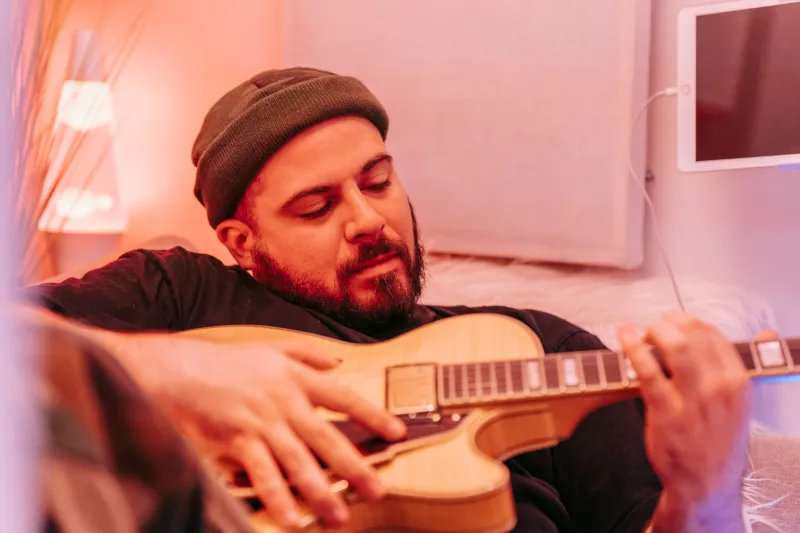
You develop a real musical opinion. When you're alone, you have to decide what you like. There's no drummer to follow, no guitar player setting the harmonic direction, no producer making the call. You're the only one in the room, and whatever comes out is coming from you. Over time, that process — making decisions, living with them, refining them — builds a genuine point of view. And a musician with a point of view is worth ten musicians who are skilled but directionless.
You learn your instrument's full range. Band situations tend to push players toward their functional range — the notes, rhythms, and dynamics that work in context. Solo practice removes that pressure. You can go weird, go quiet, go to the extremes of what your instrument can do. Many of the most interesting musical choices players bring into collaborative settings were discovered when nobody else was listening.
Your listening becomes more internal. In a band, you're always listening outward — to the other players, to the blend, to how you fit. That's important. But equally important is the ability to listen to yourself: to your tone, your timing, your phrasing. Musicians who've spent real time in solitary practice tend to have a much clearer internal sense of what they're actually doing, which makes them easier to work with and faster to self-correct.
You get comfortable with discomfort. When you're alone and something isn't working, you can't hide behind the mix. You can't let someone else's energy carry you through. You have to sit with the frustration and figure it out. That capacity — to tolerate and work through musical difficulty without external support — is something that makes band situations dramatically easier.
What Solo Practice Should Actually Look Like
We're not talking about sitting in your room running scales for three years before you're allowed to jam with anyone. That's not the point.
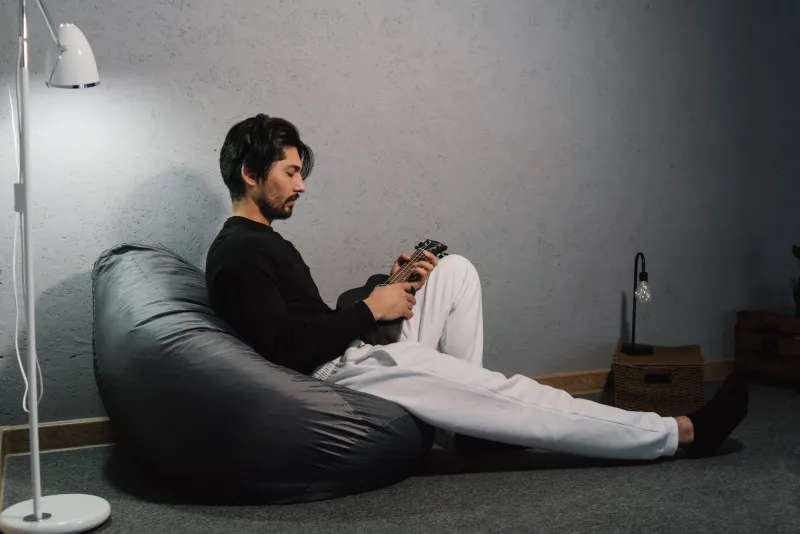
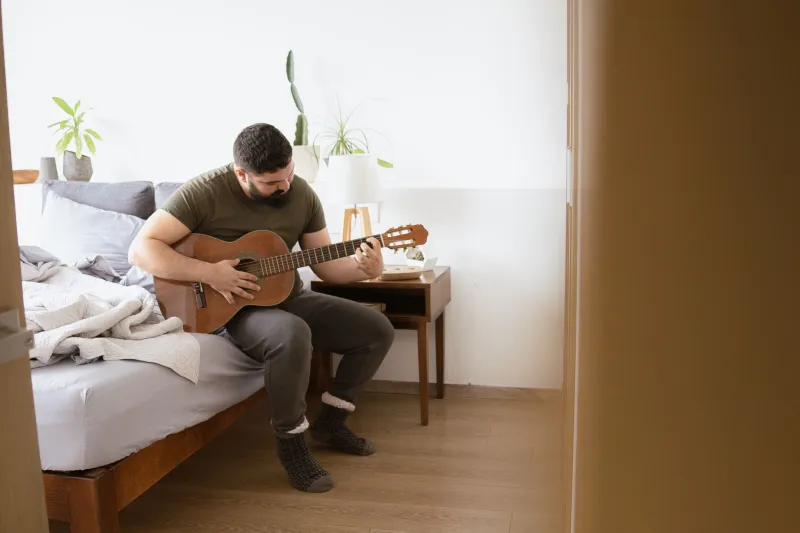
The kind of solo practice that builds the skills above involves intentional creative work. Record yourself and listen back critically. Try to write a complete piece of music, even a short one, from scratch. Learn songs you love and then try to understand why they work. Improvise alone and push past the comfortable patterns into unfamiliar territory.
This is different from just drilling technique, though technique matters too. The goal is to develop a musical self — a set of instincts, preferences, and capabilities that belong to you and nobody else.
For younger musicians especially, carving out this kind of solo time before rushing into band situations can shape the entire trajectory of their musical development. At Shabach Music Shop, we talk to students and players at all levels who wish someone had told them this earlier.
The Payoff When You Do Collaborate
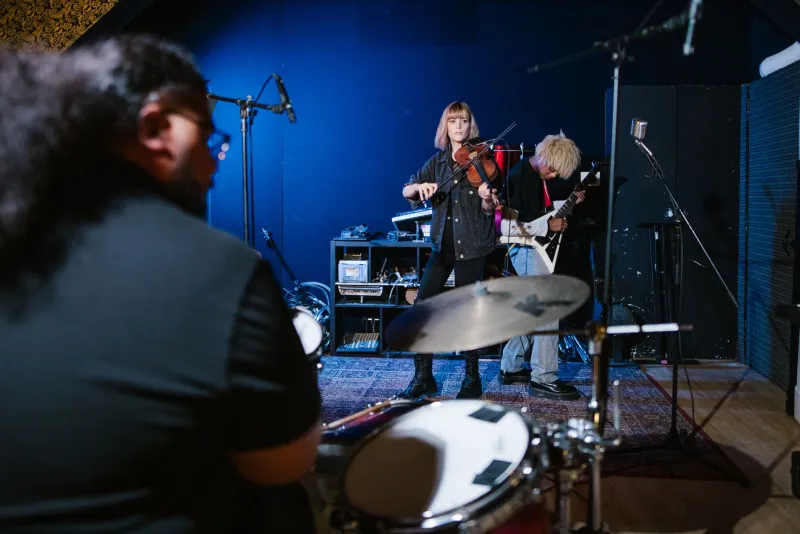
Here's the thing about musicians who've done this work: they're genuinely more fun to play with. They show up to rehearsal with ideas. They can hold their own part even when the arrangement is chaotic. They contribute something to the group identity rather than just borrowing it.
They also tend to listen better. This sounds counterintuitive — you'd think people who've been playing alone would be worse at listening to others — but the opposite is usually true. Because they've developed a strong internal listening practice, they're more attuned to what's happening around them. They notice when the bass player shifts the groove. They hear when the singer needs space. They make musical decisions based on what they're actually hearing, not just what they expect to hear.
Collaboration is still where some of the most exciting musical moments happen. Nobody's arguing otherwise. But those moments tend to be richer and more meaningful when everyone in the room has done the quiet, solo work of figuring out who they are as a musician first.
Go find your sound alone. Then bring it to the band.