Worn In, Not Worn Out: What a Used Instrument Can Offer That a Brand-New One Simply Can't
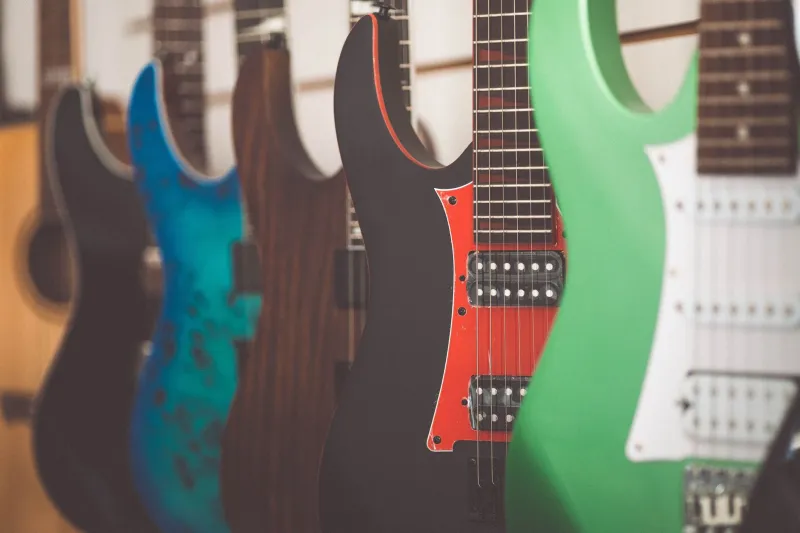
Walking into a music store and pulling a brand-new guitar off the wall has its own kind of appeal. The smell of fresh lacquer, the unblemished finish, the idea that nobody else has touched it. There's romance in that. But there's a completely different kind of romance in picking up an instrument that's been somewhere, that's been played, that has a little mileage on it.
Used instruments are consistently underrated — and for a lot of musicians, especially those just building out their collections or watching their budget carefully, they represent one of the smartest purchases you can make.
The Financial Case Is Obvious (But Still Worth Making)
Let's get the money part out of the way first, because it's genuinely significant. New instruments depreciate the moment they leave the store — not unlike a new car rolling off the lot. A brand-new mid-range guitar might lose 20 to 30 percent of its retail value within the first year or two of light use. If you buy that same instrument used, someone else has already absorbed that depreciation hit.
What that means practically: your $400 used purchase might be equivalent in quality to a $550 new purchase. And if you ever decide to resell, you're far less likely to take a bath on it because the steep part of the depreciation curve has already passed.
For players who want to try a new instrument style — maybe you've been playing electric and want to explore upright bass, or you're a guitarist curious about lap steel — buying used lets you experiment without a massive financial commitment. If it doesn't click, you sell it and break even. If it does click, you've got yourself a great instrument at a fraction of the new price.
Something Happens to Wood Over Time
Here's where things get genuinely interesting. A lot of luthiers, vintage dealers, and seasoned players will tell you that acoustic instruments — guitars, violins, mandolins, upright basses — actually improve with age and use. The science behind this is still debated, but the practical observation is consistent enough to take seriously.
Wood is a living material, even after it's been cut and shaped. Over years of being played, the vibrations work through the grain, and many players and builders believe this helps the instrument "open up" — producing a warmer, more resonant tone than a comparable new instrument. Whether that's physical reality or romantic mythology probably depends on the specific instrument, but the number of professional players who swear by aged wood is not small.
Beyond acoustics, even electric instruments develop character over time. Fretboards get worn in. Necks settle. Hardware oxidizes in ways that some players find more comfortable and even tonally interesting. A vintage PAF-style humbucker pickup that's been in a guitar for thirty years has a different character than a brand-new reproduction — and that difference is often described as more musical, less harsh, more complex.
How to Actually Spot a Good Used Find
Buying used requires a little more due diligence than walking into a store and grabbing something off the rack. Here's what to look for:
Check the neck carefully. Look down the length of it from the headstock toward the body. You want a straight neck or very slight forward bow (relief). A twisted or severely back-bowed neck can be a serious and expensive problem.
Look at the frets. Worn frets can be leveled or replaced, but it's a cost to factor in. Heavily divoted frets under the first five positions tell you this instrument was played a lot — which could mean it was loved, or it could mean it was neglected in other ways.
Inspect the top on acoustic instruments. Small cracks, especially near the bridge or along the grain, can be repaired, but significant structural cracking is a red flag. Separation at the bridge is also worth noting.
Play every note on every string. Buzzing or dead spots might be a setup issue (cheap fix) or a structural one (expensive fix). Know which you're dealing with.
Ask about the history. A good seller should be able to tell you something about where the instrument came from. A pawn shop might not know much, but a private seller often can tell you a lot — and that information is part of what you're paying for.
The Emotional Dimension Nobody Talks About Enough
There's something that happens when you pick up an instrument with real history. It's hard to quantify, but musicians talk about it constantly. The guitar that belonged to someone's grandfather. The upright bass that spent twenty years in a jazz club in New Orleans. The drum kit that played actual gigs before it found its way to your garage.
That history doesn't change the physics of how the instrument works, but it changes how you engage with it. There's a weight to it. A responsibility, even. Some players find that owning an instrument with a story makes them take their playing more seriously — like they're part of a longer chain of music-making that started before them and will continue after.
That's not something a factory-fresh instrument can offer, no matter how good it is.
Where to Look
The used gear market has never been more accessible. Reverb.com is the go-to online marketplace for instruments and gear, with a massive inventory and seller ratings that help you assess trustworthiness. eBay still has a huge selection, though the instrument-specific tools on Reverb make it a better starting point. Local options — Craigslist, Facebook Marketplace, estate sales, pawn shops, and local music store consignment sections — are worth checking regularly. Some of the best finds come from people who don't fully understand what they have.
At Shabach Music Shop, we've seen players walk in with incredible used finds and walk out with instruments that outperform gear costing twice as much. The used market rewards patience, knowledge, and a willingness to look past surface cosmetics. Get comfortable with that, and your sound — and your wallet — will be better for it.