Wood, Water, and Wrecked Gear: The Real Cost of Ignoring Humidity
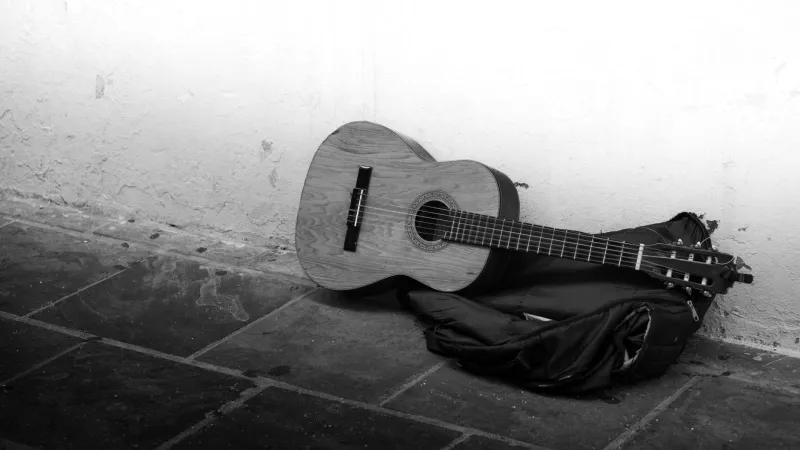
You bought a great instrument. You keep it clean. You change your strings on schedule. And yet, quietly, invisibly, something is eating away at it—warping the neck, loosening the bracing, oxidizing the hardware. No, it's not a manufacturing defect. It's the air in your house.
Humidity damage is one of the most common causes of instrument deterioration in the US, and it doesn't care how careful you are in other areas. Whether you're in a dry desert climate like Phoenix, a humid swamp like New Orleans, or somewhere that swings between both extremes seasonally like the Midwest, your gear is constantly reacting to the moisture content in the air around it. The frustrating part? Most players don't notice until the damage is already done.
Let's break down what's actually happening—and what you can do about it without going full museum conservator.
Why Wood Is Basically a Sponge
Most acoustic instruments—guitars, violins, mandolins, upright basses, ukuleles—are built from tonewoods that are carefully dried and shaped to precise tolerances. The whole instrument is engineered to work within a specific humidity range, typically between 45% and 55% relative humidity (RH). Step outside that range for long enough, and the wood starts to move.
When humidity drops too low, wood shrinks. That shrinkage pulls joints apart, cracks the top or back, causes frets to sprout sharp edges past the binding (a telltale sign called "fret sprout"), and can lower the action so much that the guitar buzzes constantly. In severe cases, a dry guitar can develop a crack along the grain that runs the full length of the body—a repair that costs hundreds of dollars if it can be fixed at all.
On the flip side, too much moisture causes wood to swell. High humidity pushes the top up, raises the action uncomfortably, swells joints, and in extreme cases can cause glued seams to fail entirely. A guitar left in a humid garage through a Southern summer can come out looking like a different instrument.
The real danger, though, is fluctuation. Repeated cycles of swelling and shrinking stress the wood in ways that cumulative exposure never could. That's why seasonal transitions—fall to winter, winter to spring—are when most players discover damage.
It's Not Just Acoustic Instruments
Electric players sometimes assume they're off the hook here. They're not, not entirely.
Electric guitar and bass bodies are still wood, and they still react to humidity—just less dramatically than thin acoustic tops. Necks, however, are extremely susceptible. A maple or mahogany neck can shift with the seasons enough to require truss rod adjustments twice a year in climates with big swings. Ignore it, and you're fighting fret buzz, intonation problems, and high action all at once.
Beyond the wood, electronics suffer too. High humidity accelerates corrosion on jack connections, potentiometers, and switch contacts. You've probably experienced that scratchy volume knob or the output jack that cuts out when you wiggle the cable—humidity is often a contributing factor, especially in instruments stored in basements or garages.
Keyboards, synthesizers, and drum hardware aren't immune either. Metal hardware corrodes, plastic components can warp, and circuit boards in humid environments are prone to oxidation over time.
What Seasonal Storage Actually Looks Like
Here's the honest truth: most musicians in the US need to think about humidity differently in winter than in summer. Central heating tanks indoor humidity in the winter months—it's common for homes to drop to 20–30% RH during a cold snap, well below the safe zone for instruments. Summer brings the opposite problem in many regions, especially if you don't run AC consistently.
For winter and dry climates, the solution is adding moisture. Instrument humidifiers are inexpensive and genuinely effective. In-case humidifiers—small devices that sit inside a closed case and slowly release moisture—are the most targeted approach. Brands like Oasis, D'Addario, and Boveda all make reliable options that cost between $10 and $30. For a room full of instruments, a room humidifier paired with a hygrometer to monitor levels is a smarter investment.
For summer and humid climates, you're pulling moisture out. A dehumidifier in the room where you store instruments can make a significant difference. Two-way humidity control packs, like Boveda's 49% or 58% packs, work in both directions—absorbing moisture when it's too high and releasing it when it's too low. These are arguably the easiest set-it-and-forget-it option for in-case storage.
The key in both cases: keep instruments in their cases when you're not playing them. A hardshell case creates a much more stable microenvironment than leaving a guitar on a wall hanger in a room where the HVAC cycles on and off all day.
The Monitoring Tools Worth Buying
You can't manage what you don't measure. A hygrometer—a device that reads relative humidity—is the single most useful tool for any instrument owner who cares about preservation. They're cheap. A decent digital hygrometer runs $10–$20 on Amazon or at most hardware stores. Some come with temperature readings too, which is useful since temperature and humidity interact closely.
For a more hands-off approach, small Bluetooth-enabled sensors like the Govee or Inkbird models can log readings to your phone and alert you when conditions go out of range. If you've got a dedicated music room or a large instrument collection, that kind of passive monitoring is worth every penny.
For in-case monitoring, D'Addario's Humiditrak sensor pairs with a free app and fits inside most standard cases. It's a tidy solution if you want case-specific data without any guesswork.
Signs Your Instrument Is Already Stressed
If you're not sure whether humidity has already been an issue, here's what to look for:
- Sharp fret ends sticking out past the binding
- Cracks along the grain on the top, back, or sides
- High or low action that appeared without any obvious cause
- Finish checking—a network of tiny cracks in the lacquer
- Loose bracing (tap the top and listen for buzzing or rattling)
- Scratchy pots or intermittent output on electrics
If you spot any of these, the first step is stabilizing the humidity rather than rushing to a repair. A luthier or instrument tech can assess the damage and advise on what needs fixing—but putting a cracked guitar in a humidified case and giving it a week to stabilize can sometimes allow minor cracks to close on their own before any repair is needed.
Protection Without Obsession
None of this requires turning your living room into a climate-controlled vault. A hygrometer, a two-way humidity pack in each case, and a basic awareness of the seasonal swings in your region will handle 90% of the risk. Check your readings a few times a week during big weather transitions, keep your instruments cased when they're not in use, and deal with problems early rather than waiting until something sounds or looks seriously wrong.
Your instruments are an investment—not just financially, but in the music you make with them. A little environmental awareness goes a long way toward keeping them playing great for decades. The gear you protect today is the gear that rewards you tomorrow.