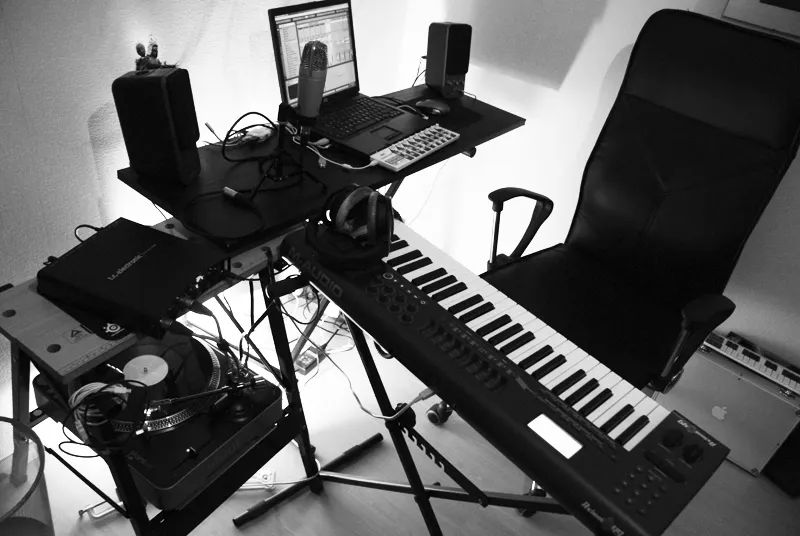
Plugged In and Turned On: Why Analog Synths Are Stealing the Spotlight in Modern Music
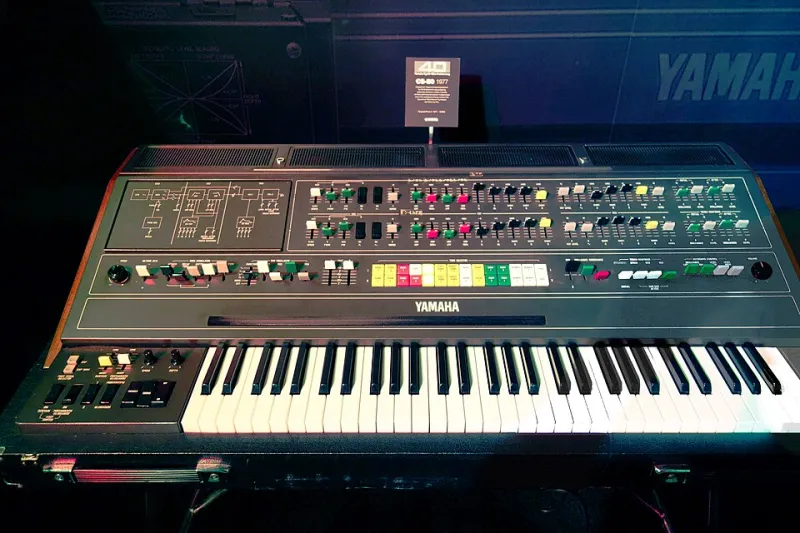
Photo: Pete Brown from Gambrills, MD, USA, CC BY 2.0, via Wikimedia Commons
Walk into any serious home studio or backstage gear closet right now, and you're likely to spot at least one vintage-looking box with a forest of knobs, a row of patch cables, and maybe a faded brand name that reads Moog, Roland, or Korg. Analog synthesizers — the kind that were supposedly made obsolete by digital workstations and software plugins years ago — are making one of the most convincing comebacks in music gear history.
So what's going on? Why are keyboard players who once swore by their DAW plugin libraries suddenly hunting down hardware units on Reverb.com or dropping serious cash on new analog gear? Let's break it down.
The Sound Nobody Can Fully Explain (But Everyone Can Hear)
Ask ten musicians what makes analog synths sound different and you'll get ten different answers — warm, fat, alive, organic, imperfect in the best way. What they're all circling around is a real phenomenon. Analog synthesizers generate sound through continuous electrical voltage rather than the discrete numerical values used in digital processing. That difference, subtle as it might seem on paper, translates into a sonic texture that many players describe as more three-dimensional.
The slight pitch drift, the natural harmonic saturation, the way an analog filter opens and closes — none of it is perfectly reproducible in the digital domain, even with today's best modeling technology. Producers working in hip-hop, electronic, indie rock, and even country have started reaching for analog hardware specifically to add that unpredictable edge to tracks that would otherwise feel too clean.
Marcus, a producer based out of Atlanta who makes beats for regional R&B acts, put it plainly: "I had every plugin I could want. Serum, Massive, all of it. But when I finally got a Behringer Model D on my desk, something clicked. The sound just sits in a mix differently. I stopped fighting the low end."
Knobs Beat Menus Every Time
There's a workflow argument here that goes beyond pure sound quality, and it might actually be the bigger factor for a lot of players. When you're working with a software synthesizer, even a great one, you're navigating menus, clicking tiny virtual knobs with a mouse, and constantly breaking your creative flow to find the parameter you need. With a hardware analog synth, every control is right in front of you. Turn a knob, hear the result instantly.
This tactile feedback loop changes how musicians interact with sound design. Instead of programming a patch, you're playing with it. You're exploring. Mistakes become happy accidents, and happy accidents become the best parts of a track.
Live performers especially appreciate this. Jenna, a keyboardist who plays in a touring synth-pop duo out of Chicago, switched from a laptop-based rig to a two-synth hardware setup last year. "On stage, I need to feel connected to what I'm doing," she said. "Tweaking a real filter cutoff while the crowd is watching — that's a performance. Nobody gets excited watching you click a trackpad."
New Gear, Vintage Soul
One of the reasons the analog revival has gained so much momentum is that you no longer have to mortgage your apartment to get in on it. Yes, a vintage Minimoog or an original Roland Juno-106 will still run you serious money on the used market. But the modern gear landscape has made analog synthesis more accessible than ever.
Brands like Behringer have released affordable clones of classic synths at price points that beginners can actually stomach. Arturia's MiniBrute and Korg's Minilogue remain perennial favorites for players who want genuine analog circuitry without going broke. Moog itself has released instruments at more approachable price tiers in recent years. At Shabach Music Shop, we've seen consistent demand for these units from players at every level — not just seasoned pros.
Is Analog Right for You?
Before you start clearing shelf space, it's worth thinking honestly about your setup and your goals.
You might love analog if:
- You produce genres where warmth and texture matter — lo-fi, house, soul, indie rock
- You find yourself fighting your DAW more than playing music
- You want a live performance element that feels physical and expressive
- You're interested in gear that holds or gains value over time
You might want to stick with digital if:
- You're working in styles that demand extreme precision and repeatability
- You're still learning synthesis basics and want the flexibility of a plugin
- Your budget is tight and you need the breadth of sounds that a software suite provides
- Portability is a major concern
Neither path is wrong. Plenty of working musicians run hybrid setups — a couple of analog units for character and a digital workstation for everything else. The gear should serve the music, not the other way around.
The Investment Angle
Here's something worth noting for the gear-heads who also think about resale value: quality analog synthesizers tend to hold their value remarkably well. The used market for classic analog hardware is strong, and even newer analog units from reputable brands have shown stable resale prices. Compare that to software, which depreciates the moment you buy it and can become unusable when operating systems update.
If you're on the fence about spending more upfront for a hardware synth versus a plugin bundle, the long-term math sometimes favors the hardware — especially if you buy smart.
The Bottom Line
The analog revival isn't a trend driven by nostalgia alone. It's a response to something real — the desire for music-making that feels human, hands-on, and sonically rich in a way that purely digital tools sometimes struggle to deliver. Whether you're a seasoned keyboardist looking to add texture to your productions or a newer player curious about what all the knob-twisting fuss is about, there's never been a better time to explore what analog synthesis has to offer.
Stop by Shabach Music Shop to check out our current selection of analog and hybrid synthesizers, and don't hesitate to ask our staff for a demo. Your sound starts here — and sometimes the best way to find it is to just reach out and turn a knob.