Attack Is Everything: The Sustain Obsession That's Costing You Real Tone

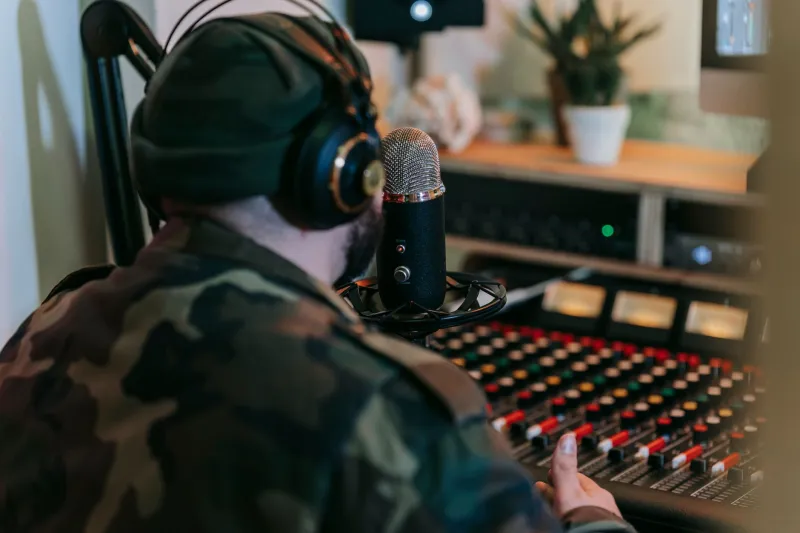
Photo by Photo by Ariyo Aanu on Unsplash on Unsplash
Walk into almost any gear conversation — online forum, YouTube comment section, your local jam session — and it won't take long before someone starts talking about sustain. How long a note rings out. How much resonance a body has. Whether a guitar, piano, or bass can hold a tone before it fades into silence. Sustain has become this unofficial badge of quality, the thing serious musicians are supposed to care about.
But here's a thought worth sitting with: what if that obsession is pointing you at the wrong part of the note entirely?
The First Milliseconds Are Where the Music Lives
Every note you play has a lifecycle. There's the attack — that immediate burst of energy the moment you strike, pluck, or bow — followed by the decay, sustain, and eventually the release. Audio engineers and instrument designers have formal names for all of it. Most musicians, though, focus almost exclusively on the sustain phase because it's the easiest part to notice and compare.
The problem is that your ears — and more importantly, your listeners' ears — are most sensitive to the attack. That initial transient is packed with harmonic information that tells your brain what kind of instrument it's hearing, how it was played, and how it feels emotionally. A note with a punchy, complex attack and a short decay can feel more alive and expressive than a note that rings for days but starts with a soft, undefined bloom.
Think about a classic Telecaster twang, a vintage Motown bass riff, or a tight snare crack on a dry funk track. None of those sounds are famous for their sustain. They're famous for their snap, their immediacy, their attitude right out of the gate.
Why Vintage Gear Often Wins Despite Losing the Sustain Race
Here's something that confuses a lot of players when they first start comparing older instruments to newer ones: vintage gear frequently has less technical sustain. Older wood dries and changes density over decades. Hardware wears. Electronics drift. By the numbers, a brand-new guitar built with modern CNC precision and fresh tonewoods should theoretically outperform a beat-up 1960s instrument on paper.
And yet players keep reaching for the old stuff.
A huge part of that comes down to how aged instruments behave in the attack. Wood that has resonated for decades develops what some luthiers describe as an openness — a faster, more complex initial response that newer instruments haven't broken in to yet. The note jumps off the fretboard with a kind of clarity and character that longer sustain simply can't compensate for. The vintage instrument may fade quicker, but while it's speaking, it's saying something more interesting.
This isn't just nostalgia. Session guitarists and studio professionals have been making this trade-off for decades, choosing instruments that respond over instruments that ring.
Different Styles, Different Demands
Sustain isn't worthless — let's be clear about that. For certain styles, a long, singing note is exactly the point. Lead guitarists playing melodic rock or blues want notes that hang in the air and allow for expressive vibrato and bends. Pianists playing classical repertoire rely on the natural decay of the instrument to shape phrasing. Sustain serves a real musical purpose.
But consider how many popular styles actively work against it:
- Funk and R&B thrive on tight, percussive note placement. A bass or guitar that sustains too long bleeds into the rhythmic pocket and muddies the groove.
- Country and bluegrass picking styles depend on crisp articulation. Every note needs definition, and too much sustain smears the clarity between fast passages.
- Jazz players often favor instruments with a quick decay because it forces cleaner voice leading and keeps chord voicings from stacking into a wash of sound.
- Punk and hardcore benefit from the aggressive, almost abrasive initial bite of a note — the sustain is often cut short by the next chord anyway.
If your musical home lives in any of these spaces, you might actually be shopping against yourself when you prioritize sustain as a quality metric.
The Gear Shopping Trap
Here's where this becomes a practical problem. When you walk into a music shop and test an instrument, what do you do? Most players hit a big open chord or a long single note and listen to how it rings out. It's an intuitive test, and it feels like you're evaluating quality. But what you're really doing is auditioning the least important phase of the note for most real-world playing situations.
A smarter approach is to play something closer to what you actually play. Run through a rhythm part. Play a quick melodic line. Dig into the attack and listen to how the instrument responds to different picking dynamics. Does it feel alive when you play hard? Does it clean up when you back off? That responsiveness — that conversation between you and the instrument — is what you'll actually be living with every time you pick it up.
Sustain is easy to demo. Tone response is what you discover over time.
Practical Ways to Retrain Your Ears
If you've spent years chasing sustain, reorienting your listening takes a little intentional effort. A few things worth trying:
Record yourself dry. No reverb, no delay. Those effects artificially extend note length and make everything sound like it sustains more than it does. Listening back to a clean, unprocessed signal forces you to hear the attack and initial character of your instrument honestly.
Listen to reference tracks analytically. Pull up recordings from genres you love and focus specifically on the first tenth of a second of each note. Notice how much information is already there before the sustain phase even begins.
Test instruments with your actual technique. When you're at the shop — and we've got a solid floor full of options here at Shabach — bring the riffs and rhythms you actually play, not just a test chord. The instrument that lights up under your hands is the one worth taking home.
The Bottom Line
Sustain matters. But it's one variable in a much bigger tonal equation, and it's probably the one that gets the most undeserved attention. The instruments that have shaped the sound of American music — from Chicago blues to Nashville country to New York funk — weren't always the ones with the longest ring. They were the ones that responded, that spoke with personality, that had something to say the moment the pick or finger made contact.
Next time you're evaluating gear, try flipping the script. Start with the attack. Listen to the first instant of each note like it's the most important thing in the room — because for most of what you're playing, it probably is.