Don't Trust Your Ears: The Hidden Science of Hearing Fatigue and Tone Judgment
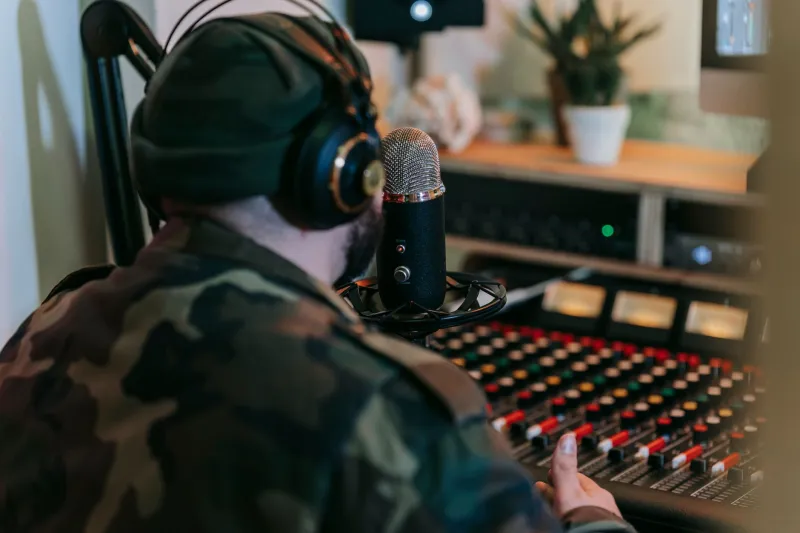
Here's a scenario that probably sounds familiar. You've been tweaking your amp settings for two hours straight, and you're finally sure you've nailed the perfect tone. You save the patch, step away, come back the next morning — and it sounds completely different. Not better, not worse. Just... not what you thought you heard.
That's not a glitch. That's your ears playing tricks on you. And it happens to everyone — bedroom players, seasoned touring musicians, even professional audio engineers who should absolutely know better.
The truth is, your ears are not neutral measurement tools. They're dynamic, adaptive organs that respond to context, fatigue, expectation, and habit. Understanding why they mislead you is one of the most underrated skills any musician can develop — and it might save you from some very expensive gear decisions.
What Listening Fatigue Actually Does to Your Perception
Listening fatigue is real, and it's physiological. When you expose your ears to sustained sound — especially at higher volumes — the hair cells in your inner ear get tired. Your brain compensates by adjusting how it interprets incoming audio signals. What this means practically is that frequencies you've been hearing for a while start to sound "normal" even when they're not balanced at all.
High frequencies are usually the first casualty. After a long session, your ears tend to dull their sensitivity to the upper range, which is why mixes that sounded bright and airy two hours ago suddenly feel muddy. You start reaching for the treble knob to compensate — not because the tone changed, but because your perception shifted.
Low-mids are sneaky in the opposite direction. They can build up in a mix or a guitar tone without you noticing, because fatigued ears tend to find that warmth comforting. You think you're dialing in something full and rich. You play it back on a fresh set of ears the next day and it sounds like someone threw a blanket over your rig.
The Conditioning Problem: Your Brain Loves What It Knows
Beyond fatigue, there's a deeper issue: ear conditioning. Your brain is wired to find familiar sounds acceptable — even preferable. If you've been playing through the same amp or monitoring through the same headphones for years, your brain has built a mental model of what "good" sounds like based entirely on that reference point.
This creates a real problem when you're evaluating new gear. You walk into a music shop (hey, we're glad you're here), plug into something new, and your first instinct is to compare it to what you already know. But what you already know might be skewed. Maybe your current amp has a mid-range bump you've just never noticed. Maybe your home studio monitors roll off the low end and you've been compensating for it in every mix you've ever done.
The gear you're testing isn't being evaluated objectively — it's being filtered through years of conditioning. That's not a character flaw. It's just how human hearing works.
Why "If It Sounds Good, It Is Good" Is Only Half the Story
You've heard this one a thousand times, and there's real wisdom in it. Music is subjective. Tone is personal. If something moves you, that matters.
But taken as an absolute rule, "if it sounds good to you, it is good" can become a convenient excuse to avoid developing your ear. It can lock you into gear that limits your sound without you ever realizing it. And it can make you a difficult collaborator, because your "sounds good" might be completely disconnected from what translates in a mix, on a recording, or through a live PA.
The goal isn't to chase some mythical objective standard of perfect tone. The goal is to develop enough awareness of your own perceptual biases that your subjective judgment becomes more informed and reliable.
Practical Techniques for Making Better Gear Decisions
Take real breaks. This sounds almost embarrassingly simple, but it's the most effective thing you can do. If you've been listening for more than 45 minutes to an hour, step away completely. Get some water, go outside, give your ears genuine recovery time. Even 15 minutes of quiet can reset your perception enough to hear things more clearly when you come back.
Use reference tracks you know cold. Pick two or three songs you've heard hundreds of times — ideally on a wide variety of systems — and use them as your baseline when evaluating gear. Not because those songs define good tone, but because your familiarity with them gives you a stable point of comparison. When something sounds off relative to your reference, it's a signal worth paying attention to.
A/B test in a treated environment. This is where most casual gear evaluations fall apart. The room you're listening in shapes what you hear just as much as the gear itself. Parallel walls, hard floors, and untreated spaces create reflections and resonances that color the sound in ways that have nothing to do with the equipment. If you're serious about evaluating tone, do it somewhere acoustically sensible — or at least somewhere consistent, so you're comparing apples to apples.
Match volume levels carefully. Louder almost always sounds better to human ears. This is a well-documented psychoacoustic phenomenon. When you A/B two pieces of gear and one is even slightly louder than the other, your brain will often perceive the louder one as superior — regardless of actual tonal quality. Use a meter or match levels by ear carefully before you draw any conclusions.
Get a second opinion from someone who hasn't been in the room. Fresh ears are genuinely valuable. Bring in a bandmate, a friend, anyone who hasn't been sitting in the same sonic environment you have. Their first impression can cut through hours of accumulated bias in about thirty seconds.
Training Your Ear Over Time
The long game here is developing what engineers call "critical listening" skills. This isn't about becoming a snob or over-intellectualizing music. It's about building a more accurate internal map of the sonic landscape so your instincts become more trustworthy.
Spend time with good reference monitors — not necessarily expensive ones, but accurate ones. Learn what a flat frequency response actually sounds like compared to the hyped bass and scooped mids of consumer headphones. Listen to professionally mixed records and try to identify individual elements. Practice describing what you hear in specific terms: not just "it sounds bright" but "there's something sharp happening around 8kHz."
The more precise your vocabulary for sound becomes, the harder it is for fatigue and conditioning to silently steer your decisions.
Your Ears Are Worth Protecting
One more thing worth saying directly: none of this matters if you've damaged your hearing. Listening fatigue is temporary. Hearing loss isn't. Wear ear protection at shows and rehearsals, monitor at reasonable volumes, and treat your ears like the instruments they are.
At Shabach Music Shop, we believe your sound starts with the right gear — but it starts even earlier than that. It starts with understanding the tool you're using to evaluate everything else. Take care of your ears, challenge your assumptions, and your gear decisions will get smarter every year.